Stop Looking Around. Start Looking Inward.

If your renovation planning begins with a survey of what your competitors are doing, you have already started down the wrong path.
It is an understandable instinct. You want to see what is working, what guests are responding to, what the market expects. But design by comparison produces a predictable result: a property that looks updated but does not stand out. You select finishes that feel safe because you saw them succeed somewhere else. You choose furniture that works in other hotels and assume it will work for yours. The problem is not the quality of those choices — it is that you are building someone else’s vision, not your own.
Your property occupies a specific place. It draws a specific kind of guest. It has a history, a character, and a context that no competitor shares. When you ignore that and design toward what is trending or what the property down the road just installed, you produce interiors that feel disconnected from the place itself. Guests sense it, even when they cannot articulate it.
The properties that successfully reposition — the ones that actually move upmarket and sustain higher rates — are the ones that stop looking outward and start examining what makes them distinct. They identify what is specific to their place and build the design around that truth. That is how you create something guests seek out, rather than simply stumble across.
A Renovation Is Not a Repositioning — Unless You Make It One
Here is a truth that is difficult to hear after a significant capital investment: the reason most hotel renovations do not lead to a meaningful rate increase has nothing to do with the quality of the work. It is because the design did not change how guests perceive the property.
You can replace every finish. You can swap every piece of furniture. You can make the entire property look cleaner, newer, and more polished. But if the experience still feels fundamentally the same, guests will not understand why the rate went up — and frankly, they will be right to question it.
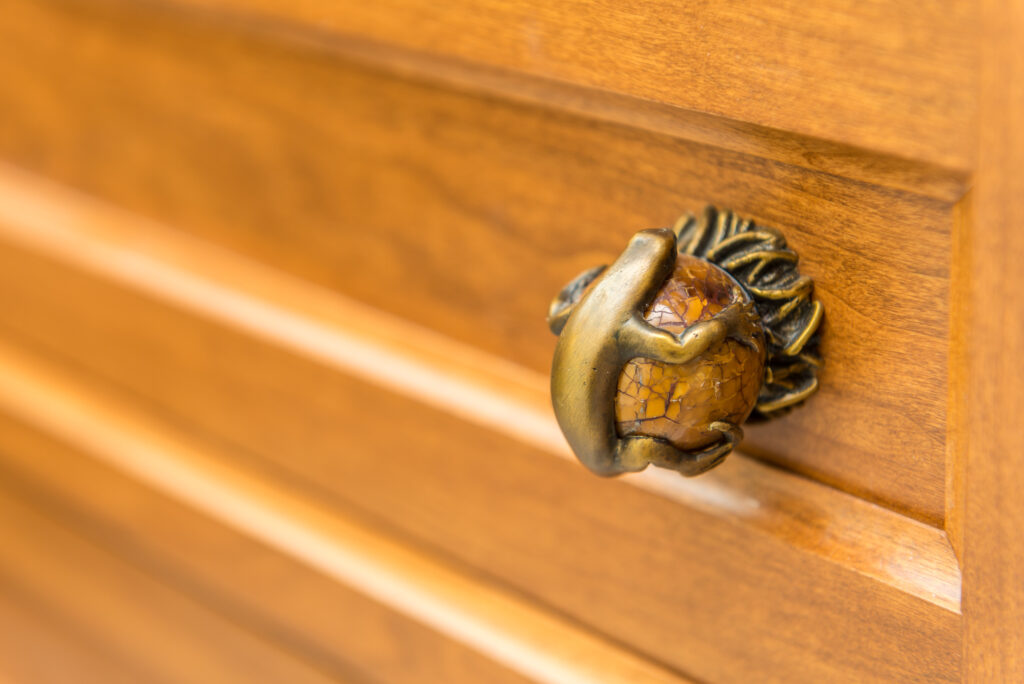
What actually moves rates is a shift in perception. That requires the design to communicate something specific: who you are, what kind of experience you are creating, and why this particular place is worth more than it was before. It requires custom elements that could not exist at any other property. It requires materiality and craft that guests notice and remember. It requires spaces that feel intentional — not just decorated.
When you renovate without a repositioning strategy, you are spending significant capital to remain in the same category. You are buying newness, not distinction. When you renovate with a clear strategic direction, you give guests a reason to pay more, because the experience they are having genuinely justifies it.
That is the difference between a refresh and a transformation. One updates your property. The other redefines it.The owners and operators who understand this distinction approach design as a strategic exercise first and an aesthetic one second. They are not asking what looks good — they are asking what is true about this place, and how do we build an environment that expresses it? That question leads somewhere no competitor benchmarking ever will.
About the author

James provides guest experience consulting and interior design for hospitality. Whether that is for an historical inn, boutique hotel, tasting room, or restaurant. His firm, Küster Design, specializes in creating one-of-a-kind interiors and experiences for its clients. James and his team focus on design that reinforces the brand; makes a statement about a property’s style and commitment to excellence. James’ commitment to understanding and shaping emotions within interior spaces has enabled him to create environments that not only captivate customers but also foster long-term loyalty for his clients’ businesses. Through the use of space, light, and textures, Küster Design tailors custom interior designs to each property’s unique needs, crafting interior branding messages that set his clients apart while prioritizing functionality and sustainability. The firm’s virtual design services allow them to design the experience remotely, which enables a quicker reaction time to clients and their needs. James is an active member of Cayuga Hospitality Consultants.
Contact Us
Share
Related Articles & Case Studies

Development & Acquisitions
Hotels
From Runways to Residences: The Evolution of Branded Residences, Opportunities and Challenges
Branded residences which are the residential properties that combine private ownership with hotel-quality services and amenities, typically associated with established hospitality or...

Hotels
Operations & Management
Hotel-Level Workforce Management: Reducing Wage Spend, Improving Guest Service and Reflecting Priorities
While everyone knows the schedule is important and is viewed as the lifeblood of hotel operations, most hotels have little structure and...

Hotels
Sales, Marketing & Revenue Management
Google’s Latest Search Changes Could Reshape the Direct Booking Battle
The battle for direct hotel bookings has a new front. Google just rolled out significant changes to its search results in Europe...